


IDEAL SPACE DESIGNED FOR YOUR CARE

BEAUTICIAN IZABELA LEMANSKA
beauty salon
beauticianizabelal@gmail.com
Izabela Lemanska
COLLAGEN, THE INVISIBLE SCAFFOLD BEAUTIFUL AND FIRM SKIN
Collagen, elastin, fibroblasts, extracellular matrix...
These terms are increasingly appearing in discussions about skin care. We talk about "stimulating collagen," "rebuilding the skin scaffold," "activating fibroblasts" or "regeneration"
Table of contents
But what actually happens in the skin?
Why does it lose firmness over time, wrinkles appear, its density changes, and the facial contour starts to look different? Can collagen cream really replenish its deficiency? Does supplementation make sense? And most importantly, can we do something to support the skin in maintaining its proper structure? To answer these questions, it is worth taking a closer look at these issues, which I will try to do in this article. Because the skin is not just a surface we can hydrate with cream, it is a living, dynamic organ where processes of construction, remodeling, and degradation of tissues occur throughout life. And one of the most important elements of this system is collagen.
How is the skin built?
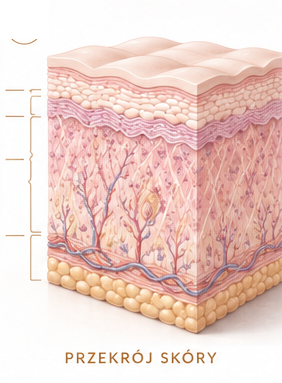 Before we start talking
about collagen, it is worth recalling that the skin isa complex organ made up of several layers that work together:
Epidermis
The outermost layer is the epidermis. Its primary function is to protect the body from the external environment and limit water loss. It contains keratinocytes, which move towards the skin's surface during the differentiation process and form the stratum corneum. It is the properly functioning stratum corneum that is one of the elements determining the quality of the skin barrier.
Dermis
Beneath the epidermis lies the dermis, a layer particularly important for skin firmness and structure. Here resides most of its extracellular matrix, which includes:
-
collagen fibers,
-
elastin fibers,
-
glycosaminoglycans*,blood vessels,
-
nerve endings.
-
However, all these elements do not act separately. They are immersed in a special environment we call the extracellular matrix. What exactly is the extracellular matrix*?The name may sound complicated, but the idea itself is quite simple. The extracellular matrix (ECM) is like a natural scaffold and "environment" found between cells. We can imagine that skin cells are residents of a city. They need not only their own buildings but also roads, foundations, space, and infrastructure that allow them to function properly. This functionis fulfilled by the extracellular matrix in tissues. It is composed of collagen, elastin, hyaluronic acid, proteoglycans, and other components. Thanks to it, cells have the appropriate environment to work, and the tissue can maintain its structure, strength, and mechanical properties. Importantly, the extracellular matrix is not a static structure. Throughout life, it is continuously built, remodeled, and partially degraded. Subcutaneous tissue Even deeper lies the subcutaneous tissue, which contains, among other things, adipose tissue. And here arises a very important issue. Facial aging does not only concern the skin. Its appearance is also influenced by structures located deeper, including adipose tissue, muscles, fascia, ligaments, and bony structures. Therefore, the change in the facial contour is a much more complex process than just the formation of wrinkles. Collagen, the scaffold of the skin
Collagen is a protein, the most abundant in the body and a fundamental
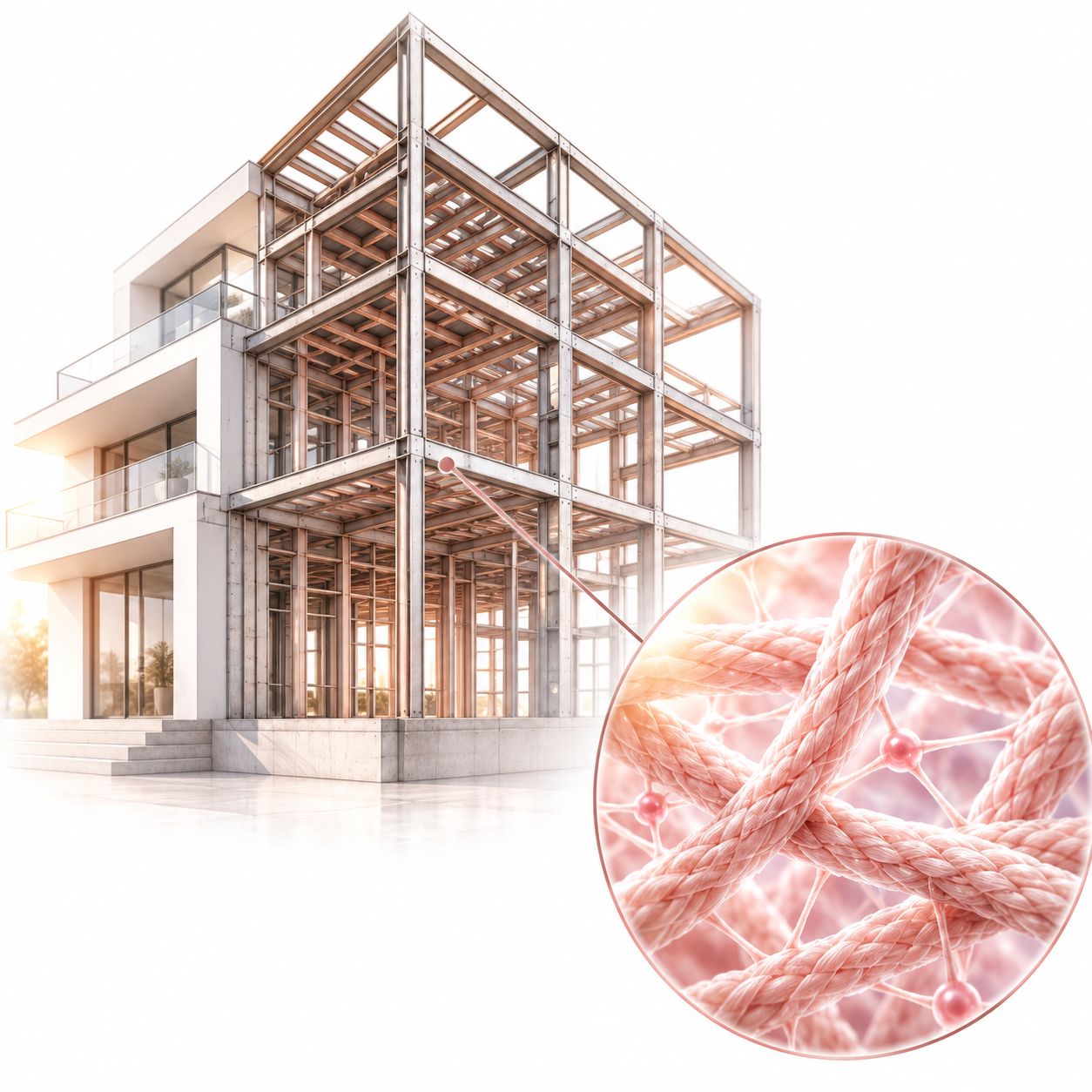 component of many connective tissues.In the skin, it creates an extensive network of fibers,
W skórze tworzy rozbudowaną sieć włókien,which provides mechanical strength, structure, and support. Fibrous collagens, primarily types I and III, are particularly important here. We can imagine a building. Before the walls, windows, and decorative elements appear, a structure must be built to hold everything together. Collagen serves a similar function in the skin. However, there is an important caveat. Collagen is not a structure that is built once and left unchanged. The extracellular matrix of the skin undergoes constant remodeling. The body simultaneously synthesizes new matrix components and breaks down old or damaged ones.
In young skin, these processes remain in relatively good balance.
As we age, this balance gradually shifts.
Elastin, where does elasticity come from?
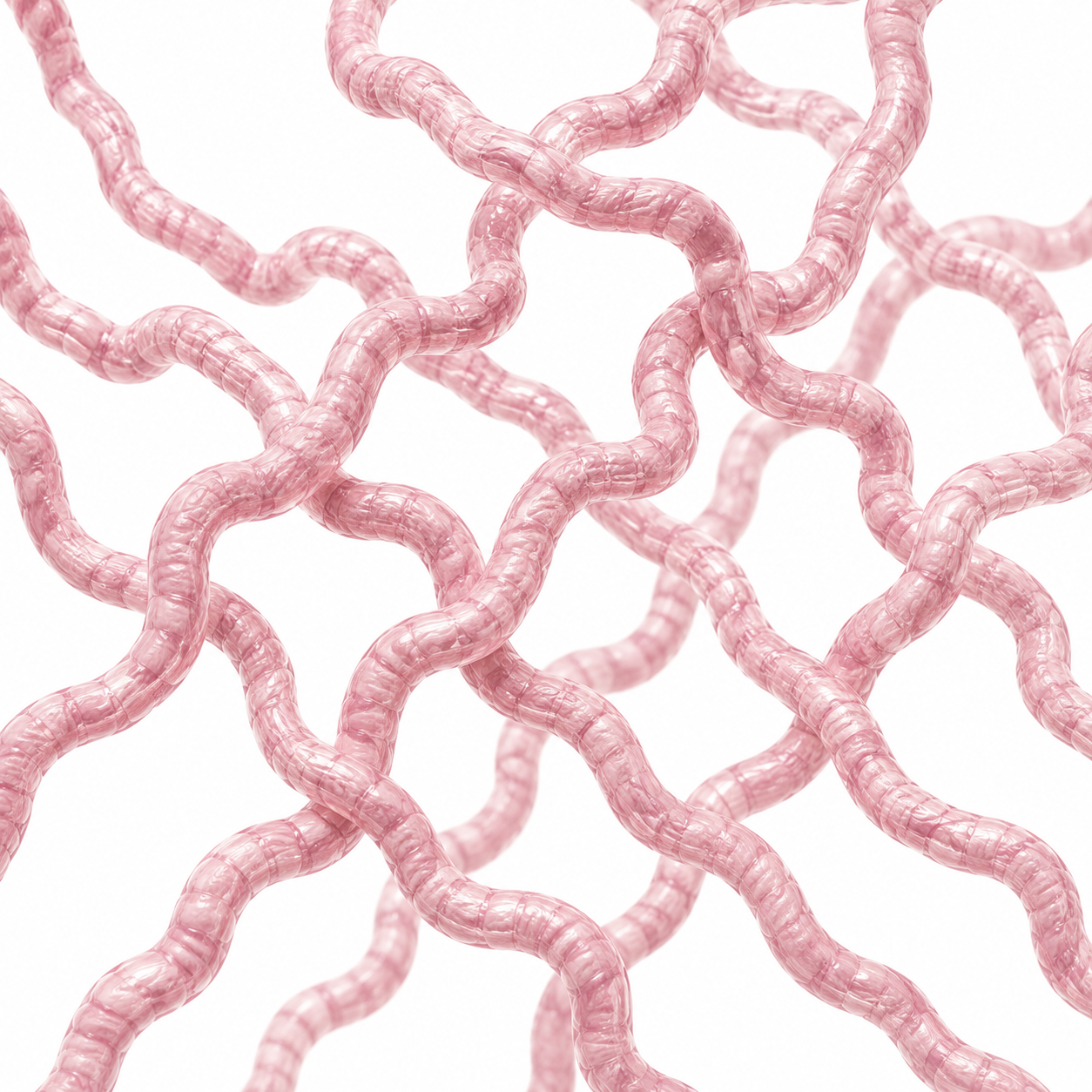 If we can compare collagen to the structure of a building, elastin* resembles an element that allows the structure to deform and return to its original shape. Elastin fibers are responsible for the elastic properties of the skin. Every day, the skin is subjected to thousands of movements: we smile, talk, frown, sleep on our sides, change our facial expressions. Young skin copes much better with these mechanical stresses. Over time, however, both collagen and elastin undergo changes. In the case of photoaging, there are, among other things, improper remodeling of elastin fibers and changes in the structure of the extracellular matrix. UV radiation is one of the main factors responsible for these processes. Therefore, firmness and elasticity are not exactly the same thing. Collagen primarily provides structure and mechanical resistance, while elastin allows the tissue to regain its shape after stretching.
Fibroblasts, small cells doing great work
 Collagen is part of the structure, so a natural question arises:
Who builds it? One of the most important cells in the dermis is the fibroblast. They produce a significant portion of the components of the extracellular matrix, including collagen and other elements responsible for the proper structure of the skin. But a fibroblast is not just a "collagen factory." It is a cell that remains in constant contact with its environment. It receives mechanical and chemical signals, responds to changes occurring in the matrix, and participates in maintaining its balance. With age, fibroblasts change their properties. Their communication with the matrix is disrupted, the production of certain structural components decreases, and the activity of enzymes responsible for their degradation increases. Therefore, modern cosmetology increasingly looks at the skin not only through the lens of "delivering ingredients" but also stimulating its own biological processes.
Why do we lose collagen as we age?
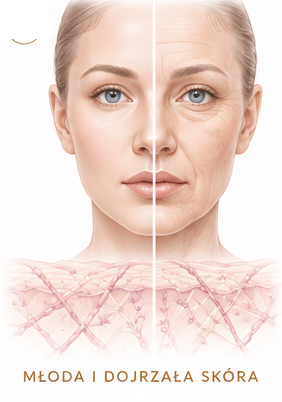 Skin aging is a multifactorial process.
It is not solely about the fact that "the body produces less collagen." As we age, the activity of fibroblasts, the metabolism of the extracellular matrix, and the organization of collagen fibers change. At the same time, existing collagen undergoes fragmentation and degradation. Thus, an unfavorable vicious cycle arises:matrix damage → altered fibroblast function → reduced production of matrix components → further degradation.Research on skin aging shows that changes in the relationship between fibroblasts and the extracellular matrix are one of the important mechanisms of aging in the dermis. Therefore, the issue is not only the amount of collagen. Its organization, quality, and the tissue's ability to remodel properly are also significant. And what about the popular "25th year of life"? We often read that around the age of 25, collagen production begins to decline. I would treat this as a popular simplification rather than a biological boundary. Skin aging is a gradual and individual process. There is no one day when the body starts producing less collagen. Therefore, it would be more professional to say that with age, the rate of collagen synthesis gradually decreases, and the balance between its production and degradation changes. This is much more precise.
What accelerates collagen degradation
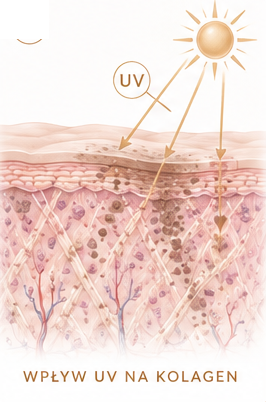 Age is just one of the factors. Environmental factors, especially ultraviolet radiation, are very significant.
UV radiation
UV radiation leads to the formation of oxidative stress and activates a series of signaling pathways that increase the activity of enzymes, including matrix metalloproteinases (MMP)*. These enzymes participate in the degradation of components of the extracellular matrix, including collagen. This is one of the key mechanisms of
photoaging*. Therefore, sun protection is also one of the most important strategies for protecting collagen.Smoking cigarettes
Palenie papierosów
Smoking is associated with increased oxidative stress and skin dysfunction, as well as with the intensification of processes related to the degradation of the extracellular matrix. It is one of the lifestyle factors that can accelerate visible skin aging.
An interesting process is also glycation. Sugars can react with proteins, including collagen and elastin, leading to the formation of advanced glycation end products, AGE. These products can create additional bonds between fibers, affecting their mechanical properties and reducing tissue elasticity. However, this does not mean that "every sugar destroys collagen." The long-term metabolic state of the body and overall dietary habits are much more significant.
Oxidative stress* and environment
Air pollution, UV radiation, and other environmental factors can increase the oxidative burden on the skin.
Therefore, the process of skin aging is the result of both internal factors and
external factors.
Can collagen production be supported?
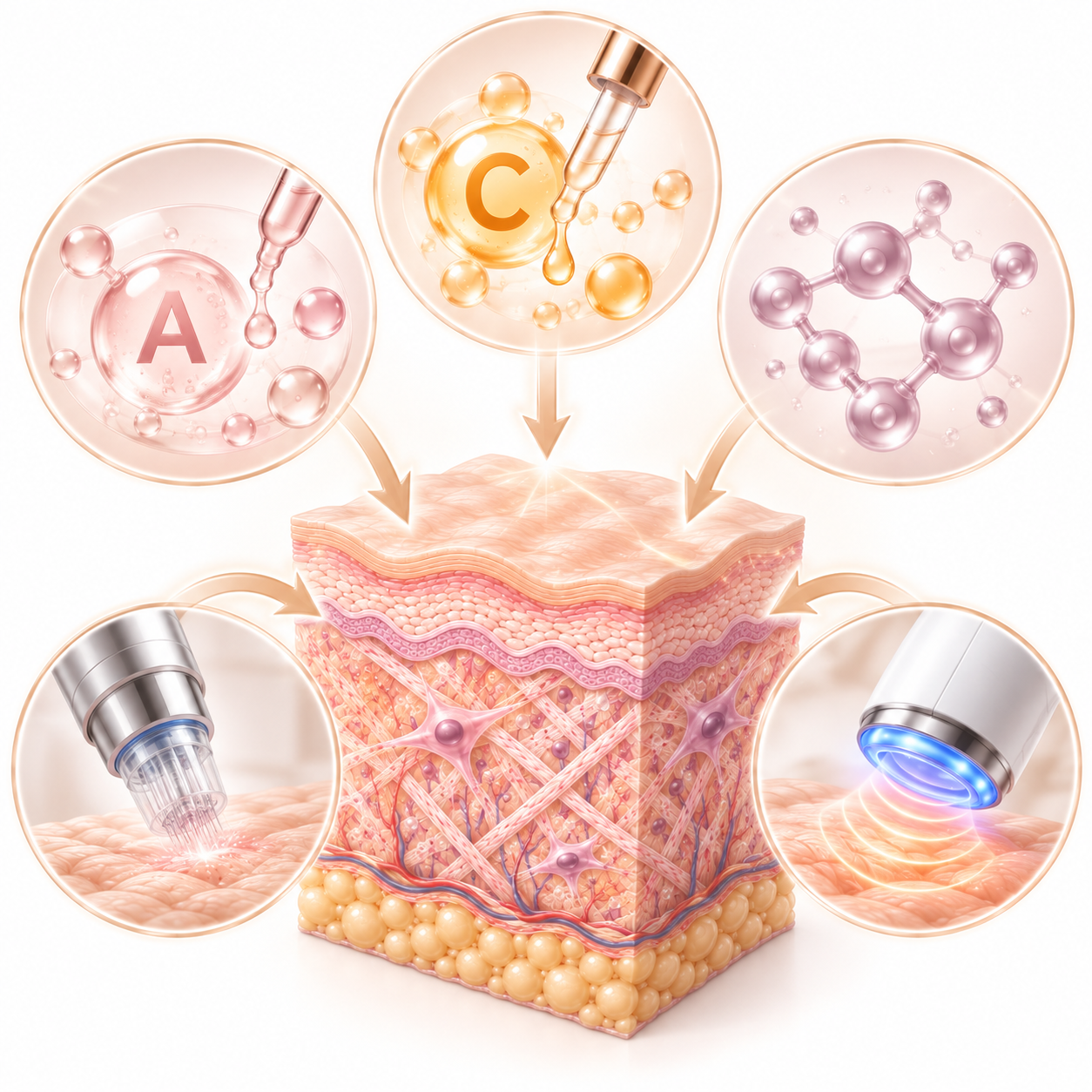 Yes, while we cannot stop the natural aging process, we can influence some of the mechanisms that accompany it.
Retinoids
Retinoids are among the most well-researched substances used in photaging therapy. Tretinoin, a retinoid used in dermatology, has a well-documented effect on skin remodeling and new collagen synthesis. Reviews of clinical studies confirm its effectiveness in improving symptoms of photaging. Retinol and retinal are also used in cosmetics, which require conversion to active forms of vitamin A. Their action is milder and depends, among other things, on concentration and formulation.
Vitamin C
Vitamin C plays an important role in the collagen synthesis process, and when applied topically, it also acts as an antioxidant. Research indicates its potential role in supporting collagen synthesis and stabilization, but the effectiveness of the cosmetic depends, among other factors, on the form of vitamin C, its stability, and its ability to penetrate the skin.
Peptides
Peptides are a very broad group of ingredients.
Not all peptides work the same way, so simply labeling a cosmetic as "peptides" is not sufficient information. Newer reviews of studies indicate potential benefits of certain peptides used topically and orally, but results regarding improvements in skin elasticity and structure are not entirely conclusive.
Cosmetic treatments
Some treatments can trigger a controlled regenerative response in the skin and stimulate extracellular matrix remodeling processes. The mechanism depends on the specific technology. Therefore, a professional approach should not be based solely on choosing a treatment because it is advertised as a "collagen stimulator."
The most important thing is to tailor the procedure to:
-
the condition of the skin,
-
its needs,
-
biological age,
-
regenerative capabilities,
-
contraindications,
-
expected outcome.
Does collagen cream work?
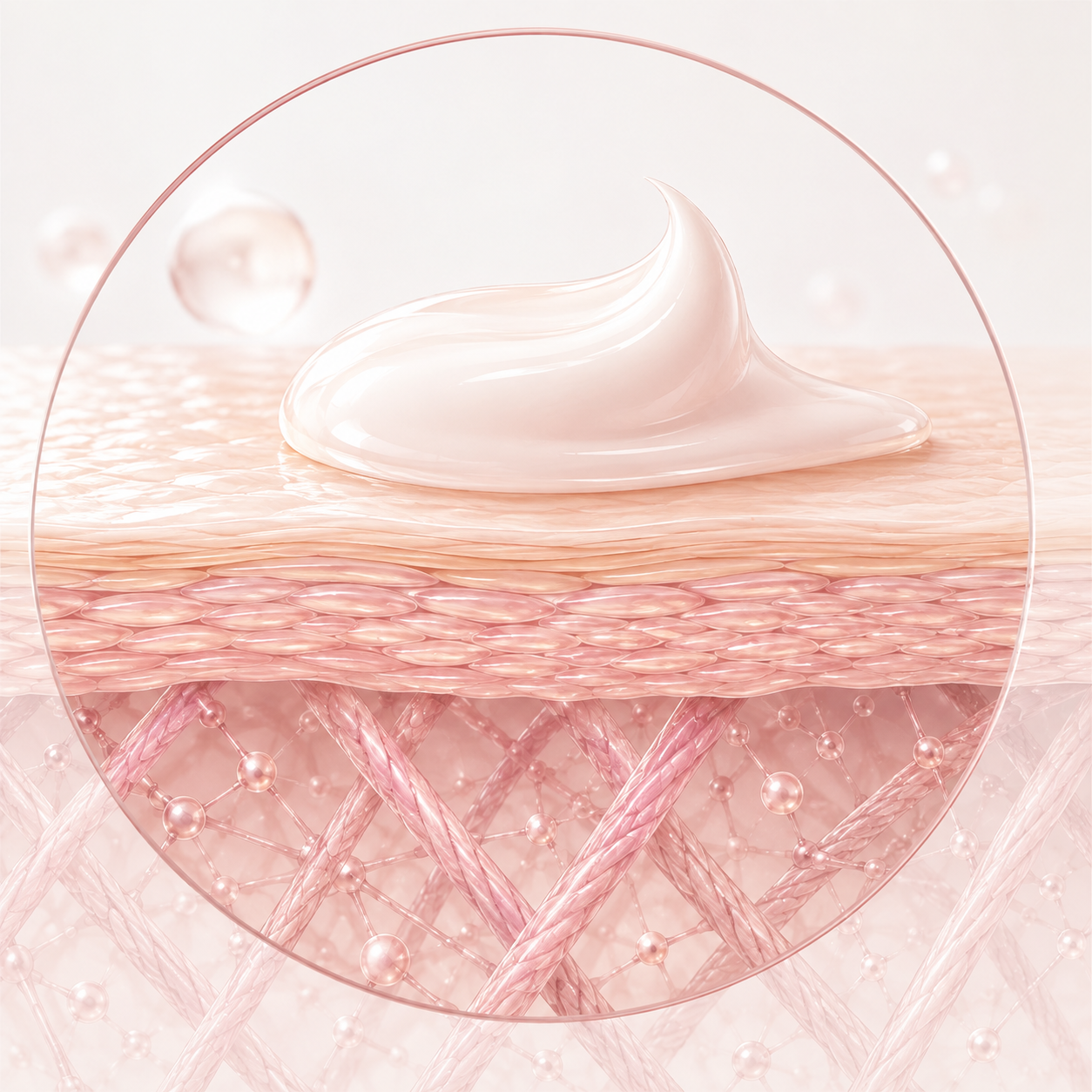 This is one of the most frequently asked questions.
And the answer requires distinguishing between two things. Collagen cream can be a good skincare product, but it does not rebuild the skin's own collagen fibers in the way many advertisements suggest. Collagen is a large molecule; when applied topically, it does not behave like a "brick" that penetrates the dermis and becomes integrated into its structure. However, this does not mean that such a cosmetic is worthless.
Collagen ingredients used in cosmetics can primarily act on the skin's surface, creating a film and supporting its moisturizing properties.
The effects may include:
-
greater softness,
-
smoothing,
-
improved feeling of hydration,
-
a smoother appearance of the skin's surface.
However, this is a cosmetic effect, not a reconstruction of the dermal collagen network. And this distinction is, in my opinion, particularly important in conscious skincare.
Collagen supplementation, what do studies really say?
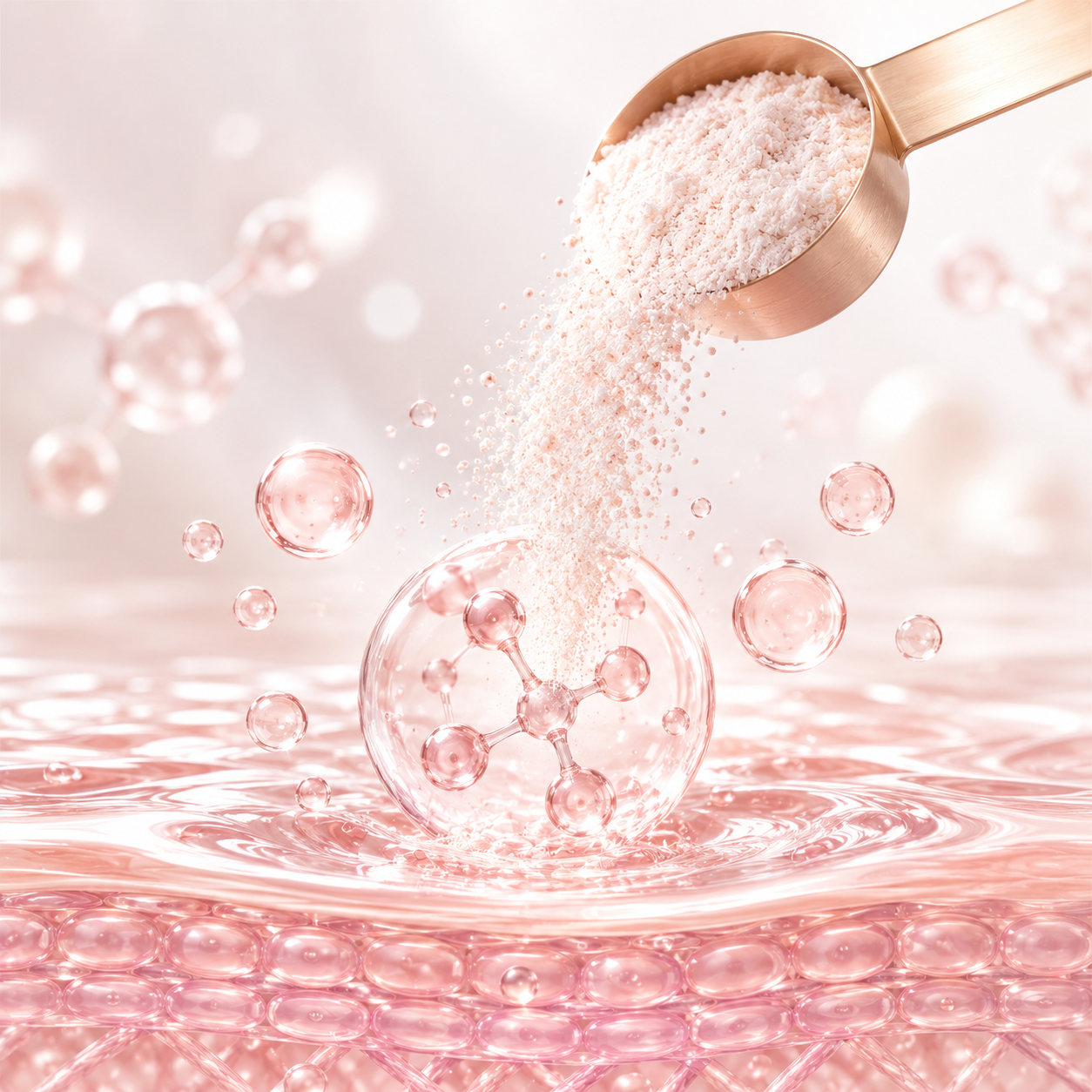 Here, it is worth moving away from the simple division: "collagen works" or "collagen does not work." Science is much more interesting. After ingestion, collagen is digested into amino acids and smaller peptides. Some clinical studies indicate that supplementation with hydrolyzed collagen peptides may positively affect parameters such as skin hydration and elasticity. A meta-analysis from 2023, including 26 randomized studies and 1721 participants, showed improvements in these parameters compared to placebo. At the same time, a newer meta-analysis from 2025 highlighted an important issue: after considering the quality of studies and funding sources, the beneficial effects were no longer so clear-cut.
In higher quality studies, no significant improvement in the analyzed parameters was shown. What does this mean in practice? Collagen supplementation can be an interesting supportive element, but it should not be presented as a proven method for "rebuilding collagen in the skin."
It will not replace:
-
sun protection,
-
proper skincare,
-
adequate nutrition,
-
sleep,
-
physical activity,
-
properly selected treatments.
💡A cosmetologist's tidbit
When talking about supplementation, most studies focus on hydrolyzed collagen peptides rather than just "collagen" as a general ingredient. Therefore, it's worth looking not only at the product name but at its specific composition and form.
What really benefits the skin?
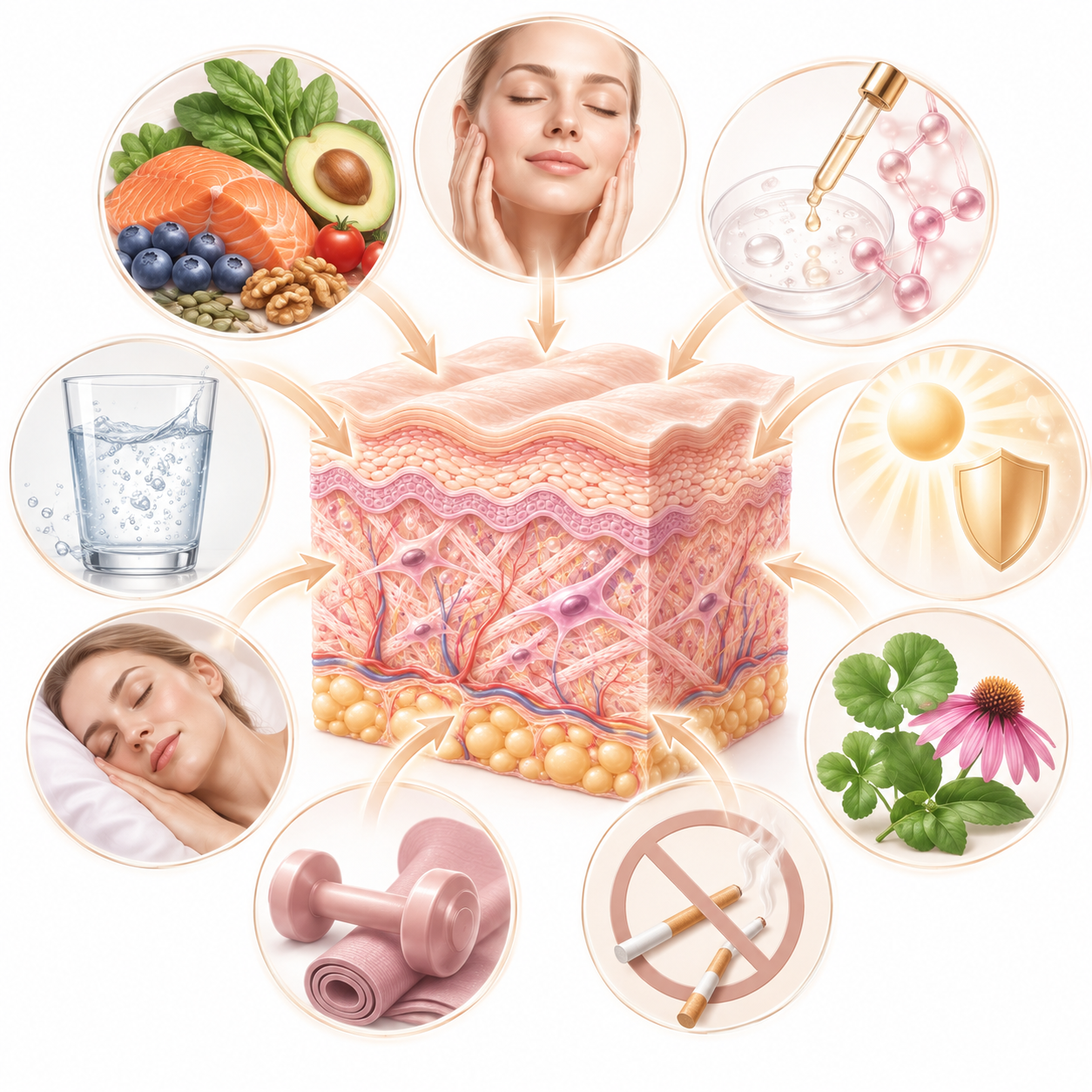 There is no single cosmetic, supplement, or treatment that can stop aging. The skin reacts to the sum of our actions.
Sun protection
This is one of the most important elements of photoaging prevention.
Well-chosen skincare
Cleansing, proper hydration, protecting the skin barrier, and appropriately selected active ingredients form the basis of skincare.
Stimulation
Properly chosen cosmetic procedures can support skin remodeling.
Nutrition
The synthesis of structural proteins requires an adequate supply of energy, amino acids, vitamins, and minerals. It’s not about one "superfood." The diet as a whole matters.
Sleep and recovery
The skin is part of the body. Therefore, we cannot completely separate it from our lifestyle.
The most important thing we can do for our skin
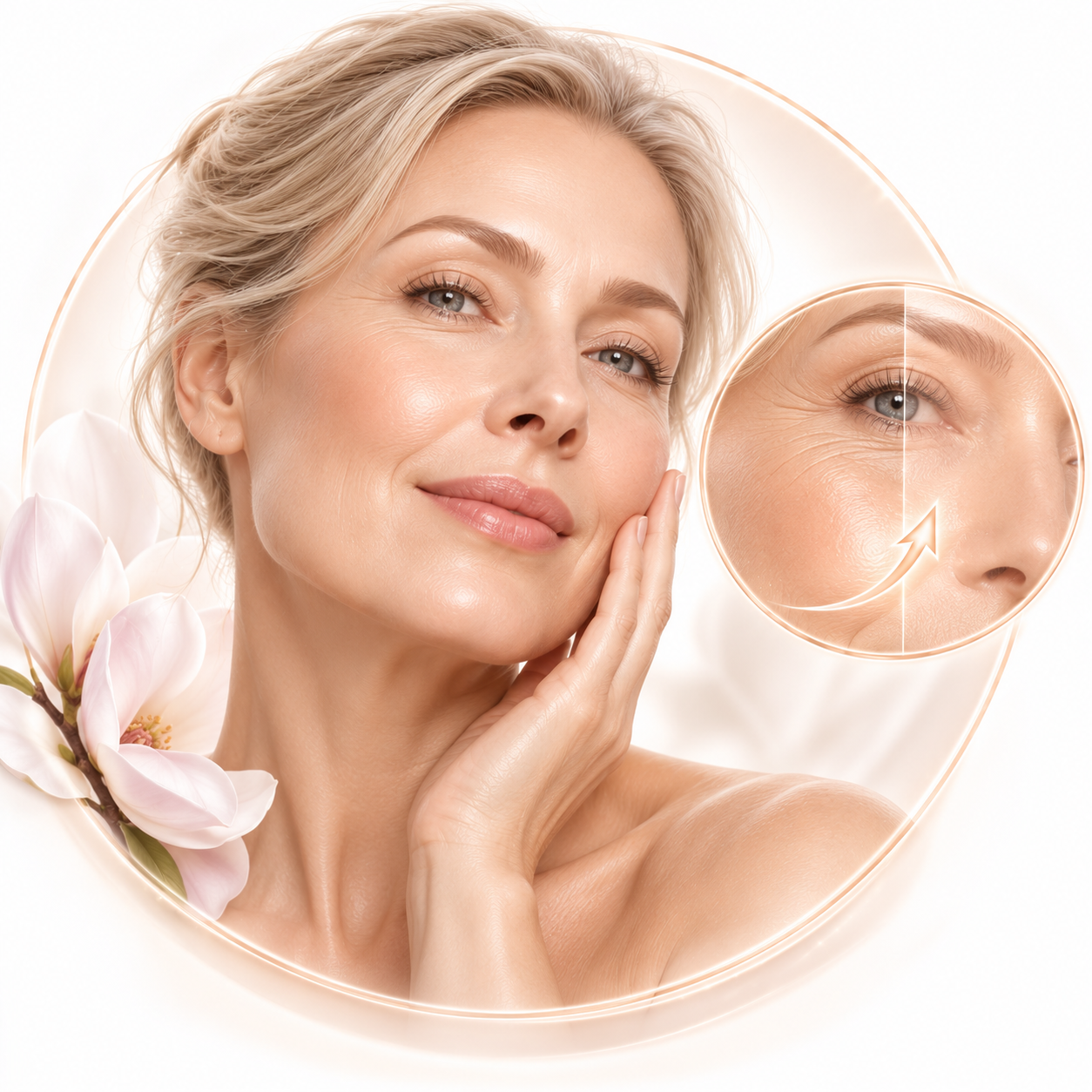 The more we know about skin biology, the clearer it becomes that there is no single magical solution. We cannot stop time.We cannot make the skin produce collagen at the same rate throughout life. However, we can influence many factors that determine how quickly signs of aging appear and in what condition the skin will remain.
Therefore, mature skin care should not involve constantly searching for the "strongest" cosmetic. It is much more important to understand the skin: its structure, its needs, and its regenerative capabilities.
And that good results are often the result of consistency rather than a single spectacular action. Mature skin does not need the promise of looking like it did twenty years ago. It needs wise, consistent care. The goal of skincare should not be to deceive age. The aim is to maintain the best possible condition of the skin at every stage of life.
Skin glossary, key concepts
Some of the terms that appear in the article may sound technical. Instead of skipping them, it’s worth understanding them well.
The natural environment found between cells. It is composed of collagen, elastin, hyaluronic acid, and other substances. It can be compared to a scaffold
and the "environment" in which skin cells function.
Cells primarily located in the dermis. They produce collagen, elastin, and other components of the extracellular matrix.
They can be said to be among the most important "builders" of the skin.
A protein that is one of the main structural components of the skin. It is primarily responsible for its strength, structure, and support.
A protein that forms elastic fibers. Thanks to them, the skin can stretch
and to some extent return to its previous shape.
A group of substances present in the extracellular matrix that help bind water and maintain a suitable environment for skin cells. One of the best-known glycosaminoglycans is hyaluronic acid.
Matrix metalloproteinases (MMP)
Enzymes that participate in the breakdown of components of the extracellular matrix, including collagen. Their increased activity may accompany photoaging processes.
A process in which sugars can bind to proteins such as collagen and elastin. The resulting products can change the properties of these proteins and affect the elasticity and functioning of the tissue.
A state in which more reactive oxygen species are produced in the body than the body can effectively neutralize. In the skin, it can contribute to cell and extracellular matrix structure damage.
Skin aging primarily associated with chronic exposure to UV radiation. It can lead to changes in the structure of collagen
and elastin, the formation of wrinkles, and loss of firmness.
Remember:
Collagen, elastin, and hyaluronic acid do not work in the skin separately.
They are part of a larger system, the extracellular matrix, which creates an environment necessary for the proper functioning of the skin.
FAQ, frequently asked questions about collagen
Does collagen really contribute to skin firmness?
Yes. Collagen is one of the main components of the extracellular matrix of the dermis and is primarily responsible for its structure and mechanical strength. However, skin appearance and firmness are also influenced by elastin, glycosaminoglycans, subcutaneous tissue, and deeper facial structures.
At what age do we start losing collagen?
There is no single age threshold. Changes occur gradually and are individual. With age, the activity of fibroblasts and the balance between the production and degradation of extracellular matrix components change.
Does UV radiation destroy collagen?
Yes. UV increases oxidative stress and the activity of enzymes that degrade extracellular matrix components, including collagen. It is one of the main factors in photoaging.
Will a collagen cream rebuild collagen in the skin?
One should not expect that the collagen contained in a cream will rebuild the collagen fibers of the dermis. However, the cosmetic may work superficially and support hydration and skin smoothing.
Does retinol stimulate collagen production?
Retinoids are among the best-studied anti-aging ingredients. The strongest evidence concerns tretinoin, which shows an effect on skin remodeling and collagen synthesis.
Is vitamin C necessary for collagen production?
Yes. Vitamin C is essential in processes related to proper collagen synthesis. When applied topically, it can also have antioxidant effects.
Does collagen supplementation work?
Some studies indicate a beneficial effect of hydrolyzed collagen peptides on skin hydration and elasticity, but the results are not entirely conclusive. Newer analyses suggest that the quality of studies and their funding may influence the observed effects.
What type of collagen should be chosen for supplementation?
If someone decides to supplement, it is worth paying attention to whether the preparation contains hydrolyzed collagen peptides and what their quantity is. However, there is not enough basis to present one specific type or brand as universally the best for everyone.
Can cosmetology treatments stimulate collagen?
Some procedures can trigger processes of remodeling and skin regeneration. However, the mechanism depends on the type of treatment. Therefore, the procedure should be selected individually, not just based on the term "collagen stimulation."
What accelerates collagen aging the most?
One of the most important external factors is UV radiation. The significance of smoking, oxidative stress, chronic inflammatory processes, and glycation is also important.
Can the loss of collagen be stopped?
No. Aging is a natural biological process. However, we can limit the impact of some factors that accelerate aging and support the proper functioning of the skin.
Do collagen and elastin work the same way?
No. Collagen is primarily responsible for the structure and strength of the tissue, while elastin is responsible for its elastic properties. Both elements co-create the proper structure of the skin.
Why can two women of the same age have completely different skin?
Because chronological age is just one of the factors.
Other factors include genetics, UV exposure, lifestyle, smoking, environment, hormones, skincare routine, and individual aging pace.
Sources:
The article was prepared based on a review of current scientific literature regarding skin aging biology, extracellular matrix, collagen, fibroblasts, and ingredients used in the prevention and therapy of photoaging.
-
Fisher G.J., Wang Z.Q., Datta S.C. et al. Pathophysiology of premature skin aging induced by ultraviolet irradiation. New England Journal of Medicine.
-
Fisher G.J., Varani J., Voorhees J.J. Looking older: fibroblast collapse and therapeutic implications. Archives of Dermatology.
-
Fisher G.J., Quan T., Purohit T. et al. Collagen fragmentation promotes oxidative stress and elevates matrix metalloproteinase-1 in fibroblasts in aged human skin. American Journal of Pathology.
-
Extracellular matrix regulation of fibroblast function: redefining our perspective on skin aging.
-
Topical Vitamin C and the Skin: Mechanisms of Action and Clinical Applications.
-
Sitohang I.B.S. et al. Topical tretinoin for treating photoaging: A systematic review of randomized controlled trials.
-
Pu S.Y. et al. Effects of Oral Collagen for Skin Anti-Aging: A Systematic Review and Meta-Analysis. Nutrients, 2023.
-
Myung S.K. et al. Effects of Collagen Supplements on Skin Aging: A Systematic Review and Meta-Analysis of Randomized Controlled Trials. American Journal of Medicine, 2025.
-
Photoaging Decoded: Extracellular Matrix Alterations and Mechanisms...
-
Aging in the dermis: Fibroblast senescence and its significance. Aging Cell, 2023.
graphics:
Graphics created using AI